Duvet covers and bed skirts serve complementary roles in bedroom bedding. A duvet cover encloses a comforter or duvet insert, helping protect it from everyday contact while providing a finished surface. A bed skirt fits around the bed base to conceal the frame or under-bed area and create a coordinated appearance.
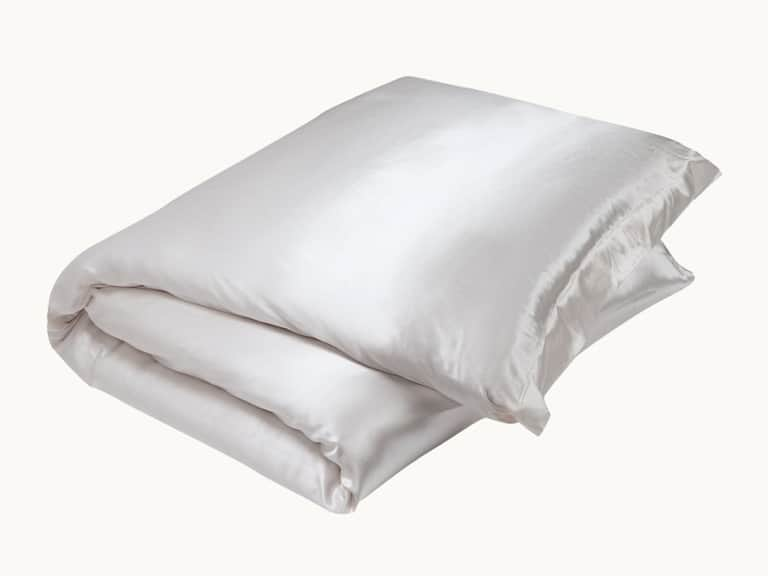
The White Silk Duvet Cover combines a smooth silk surface with a protective, removable layer for a comforter. Silk’s lightweight, soft texture offers a different feel from many cotton sheets, while the cover helps limit direct exposure to dust and routine use. Care instructions and closure design are useful features to consider.
Duvet covers can make bedding easier to maintain because the outer layer is typically removed for laundering separately from the insert. Matching the cover dimensions to the comforter helps reduce shifting and bunching. Coordinating its color and texture with sheets, pillows, and other bedding can create a balanced, comfortable sleep setting.
Bed skirts are fabric panels positioned between a mattress and bed frame, where they can conceal box springs, legs, or stored items beneath the bed. Their drop length should suit the bed’s height, and the fabric should fit securely. Unlike duvet covers, bed skirts do not enclose or protect comforters.
When planning a bedding setup, consider how each layer functions: sheets contact the sleeper, pillows support the head, and comforters provide warmth beneath a duvet cover. Travel pillows are designed for portable support and serve a different purpose. Understanding these distinctions helps match bedding materials and dimensions to household needs.
 Bedding