Silk Through the Ages: A Brief History of the World’s Most Coveted Fabric
A journey across centuries, Silk has threaded its way from secretive origins in ancient China to the gleaming forefront of luxury markets today. Its story is not merely about a textile but about trade routes, technology, culture, and the delicate balance between opulence and preservation. This overview traces the milestones that shaped silk’s ascent and sets the stage for deeper explorations into production, conservation, and the cultural symbolism woven through its fibers.
Key Milestones in Silk’s Global Journey
Silk did not travel alone; it carried ideas, technologies, and economies. From clandestine sericulture to industrial-scale production, the fabric’s history is a mirror of human curiosity and cross-cultural exchange.
Origins in Sericulture: The earliest, most guarded chapters of silk production begin with silkworms and the cultivation of mulberry trees. For centuries, knowledge of sericulture was a tightly held secret, passed within families and guilds. The delicate drama of silk’s birth—worms spinning filaments into thread—remains a powerful emblem of artisanal mastery.
The Silk Road and Cross-Cultural Exchange: Silk’s demand seeded networks that connected distant civilizations. From Chang’an to Constantinople, merchants carried more than textiles; they carried ideas, technologies, coastlines, and culinary, linguistic, and religious exchanges. Silk became a currency of prestige and a catalyst for global contact.
Technological Innovations and Industrialization: The modern era transformed silk from a craft into a commodity with standardized weights, treatments, and dyes. Innovations in loom design, dye chemistry, and logistics widened access to silk, expanding its reach beyond royal wardrobes to a burgeoning class of collectors and designers.
Preservation, Conservation, and Cultural Significance: As silk ages, conservators and historians study its fibers, weaves, and provenance to unlock stories of trade, status, and daily life. Silk becomes a palimpsest—layers of history visible to those who know how to read it.
Why Silk Endures in the Imagination
Silk remains a touchstone of luxury not simply because of its luster, but because it embodies a complex interplay of scarcity, skill, and symbolism. Its sheen changes with light; its hand remains cool and smooth. Beyond texture, silk signifies a history of ethics, labor, and artistry.
For historians, silk is a diary. For conservators, it is a puzzle to be solved with microscopes and archives. For fashion professionals, it is a language—an ancient script rewritten with each cut and seam. And for travelers, silk is a companion that travels as gracefully as it endures.
Experiential Snapshots: Notable Figures Who Wove Silk’s Narrative
Across time, three pivotal figures illuminate silk’s path—from the clandestine breeders in imperial China to modern curators who safeguard its memory. Each represents a different era, a different scale, but a shared devotion to an artifact that continues to enchant.
Empress Leizu of Han Dynasty (c. 3rd century BCE)
Often mythologized as the goddess who first discovered silk by watching a cocoon unravel, Leizu’s legend sits at the dawn of sericulture. Whether historical or folklore, her narrative anchors silk in a story of disciplined curiosity and imperial appetite for luxury. Her legacy is less about a single act and more about the institutional birth of silk as a regulated resource, linking production to governance and statecraft.
Marco Polo and the Silk Road Exchange (13th century)
The Venetian traveler popularized silk’s global appetite, translating tactile wonder into narrative power. Polo’s accounts helped fashion a new map of global exchange, making silk not only a luxury for courts but a commodity with routes, ports, and economies attached. The Silk Road becomes a corridor of culture, trade, and storytelling that shaped how civilizations imagined one another.
Carolyn Bruno, Conservator of Historic Textiles (20th–21st century)
Bringing silk into modern conservation, Bruno’s work emphasizes ethics, documentation, and scientific analysis. In museums and archives, specialists like her decipher the fiber composition, weave structures, and staining patterns to reveal provenance and historical context. Their methods ensure silk’s stories survive preservation challenges—heat, light, pesticides, and time—so future generations can read its chronicles with confidence.
Cultural Context: Silk as Symbol, Tool, and Archive
Silk is both a symbol of status and a practical material with enduring utility. It dressed emperors, surgeons in the East, traders in bazaars, and fashion houses in Milan. Its ability to carry color and form without compromising integrity makes it a preferred fabric for ceremonial garments, luxury accessories, and delicate heirlooms. Yet its allure lives in nuance: the way a dye settles into filament, the way a loom’s geometry repeats across centuries, the way a conservation plan treats every inch of thread as a legible record.
In contemporary discourse, silk’s significance extends to ethics and sustainability. The history of silk invites reflection on supply chains, labor practices, and the environmental footprint of luxury. The material’s prestige is inseparable from the questions it raises about provenance, authenticity, and care. As with any archive, to know silk is to acknowledge its contradictions and its capacity to endure across political, economic, and stylistic upheavals.
Preservation, Care, and the Stewardship of Delicate Fabrics
Preservation science treats silk as a fragile ally. The fiber’s sensitivity to light, heat, and pests makes specialized care essential. Conservators use non-invasive tests to identify fiber types, weave structures, and dye chemistry—information that informs mounting, display, and storage decisions. Beyond museums, individuals who own heirloom silks may learn from these practices to sustain textiles for generations.
Practical takeaways include controlled storage environments, minimal handling, and gentle cleaning guided by fiber chemistry. Silk’s sheen can be preserved through breathable storage, acid-free tissue, and climate stability. The goal is not to freeze silk in time but to honor its living potential—allowing its colors to glow and its textures to speak without compromising its integrity.
A Subtle Intersection: Modern Silk Accessories and Practical Luxury
In today’s travel culture, silk accessories epitomize a fusion of luxury and utility. Consider how silk products weave comfort with care in everyday life—what you carry, how you protect belongings, and how design translates archival aesthetics into contemporary usability.
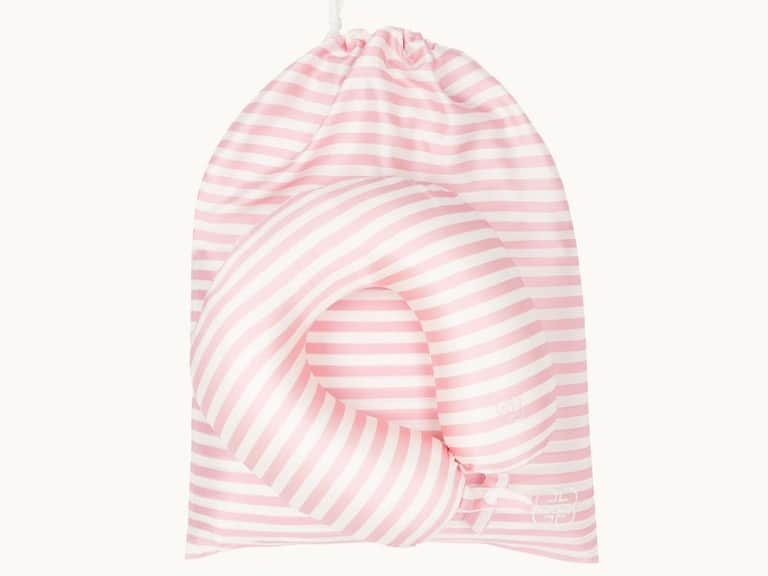
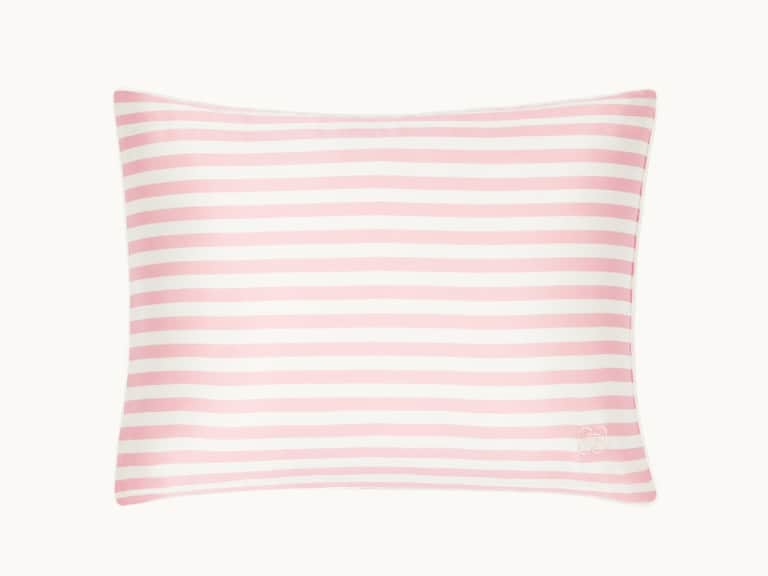
Silk Travel Pillow - Pink & Ivory Stripe
Mulberry silk travel pillow with a 19 Momme weight, designed for comfort on the move. The cushion is encased in 100% cotton sateen and features a silk-wrapped core for supportive loft during travel. A gentle reminder that luxury can accompany practical journeys.
Price: $150.00
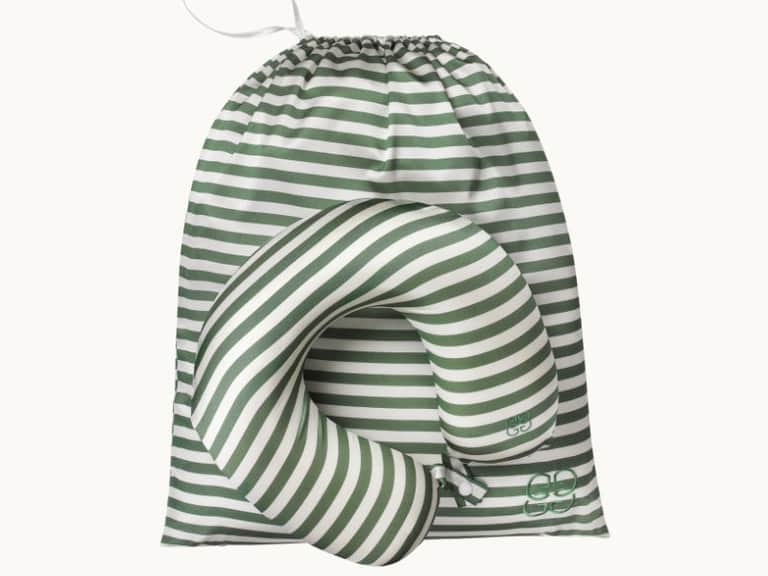
Silk Laundry Bag - Pink & Ivory Stripe
A 100% Mulberry silk laundry bag with a breathable, durable design. The interior is spacious, and a secure silk drawstring ensures easy transport of dirty garments while traveling. Pairing luxury with everyday utility, this bag keeps belongings organized and protected.
Price: $85.00
Note: The above product references are included to illustrate how modern silk items echo historical reverence for the material. Images and product details are provided for contextual flavor within this article and may link to external retailers.
Conclusion: Silk’s Continuity in a Modern World
Silk’s history is not an arc that ends in a museum case; it is a continuous thread that runs through economies, cultures, and personal narratives. From the secretive yards of ancient producers to the curated shelves of modern boutiques, silk remains a material of distinction—where craft meets commerce, and where preservation meets exploration. As researchers and readers, we are invited to follow that thread: to understand its origins, trace its journeys, and honor its enduring allure with care, curiosity, and critical appreciation.
Editorial Notes: How to Read Silk’s History
Trustworthy sourcing matters. When discussing silk’s past, anchor claims in archaeological finds, archival documents, and museum catalogs.
Context shapes meaning. Silk’s symbolism shifts with time and place; interpret it within its cultural and economic milieu.
Preservation is instruction. The same care principles that protect artifacts guide responsible, respectful handling of textiles in daily life.
Travel light and organized with our 100% Mulberry silk laundry bag in pink-ivory stripes. Breathable, durable 19 Momme fabric keeps clothes fresh; easy carry with silky drawstrings; secure closure and lightweight packing for on-the-go laundry.
Experience premium comfort on the go with silky 19 Momme mulberry silk, smooth cotton sateen, and a stable, lofted pillow that cradles your neck for restful travel, plus a soft, portable feel.
Travel light in luxury: breathable 100% Mulberry silk keeps outfits fresh, while a cushioned cotton sateen insert and silk drawstring handles give structure and effortless carrying. Separate dirty from clean with style and ease.